
Welcome To Microbiology Department
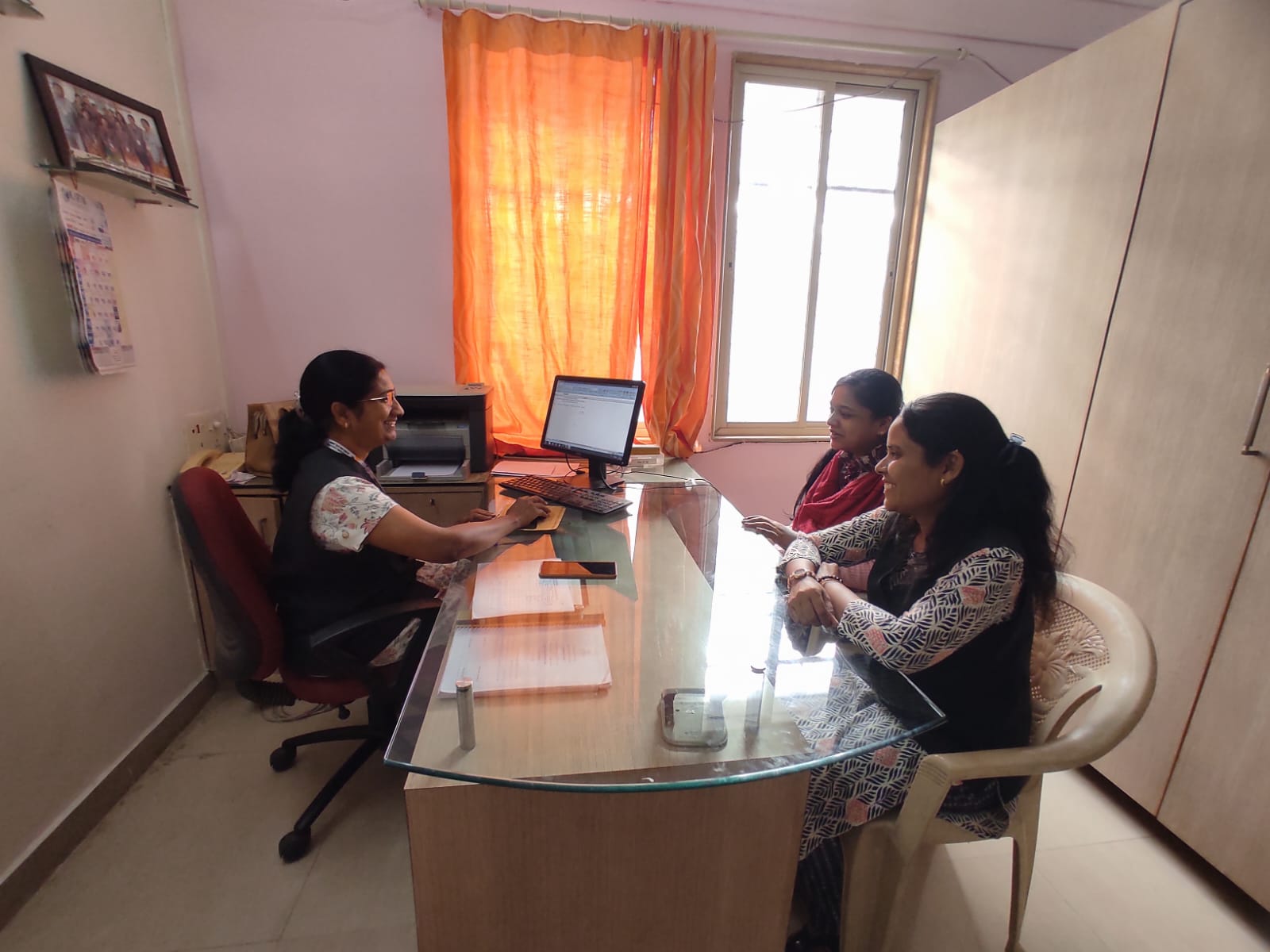
'HOD cabin '
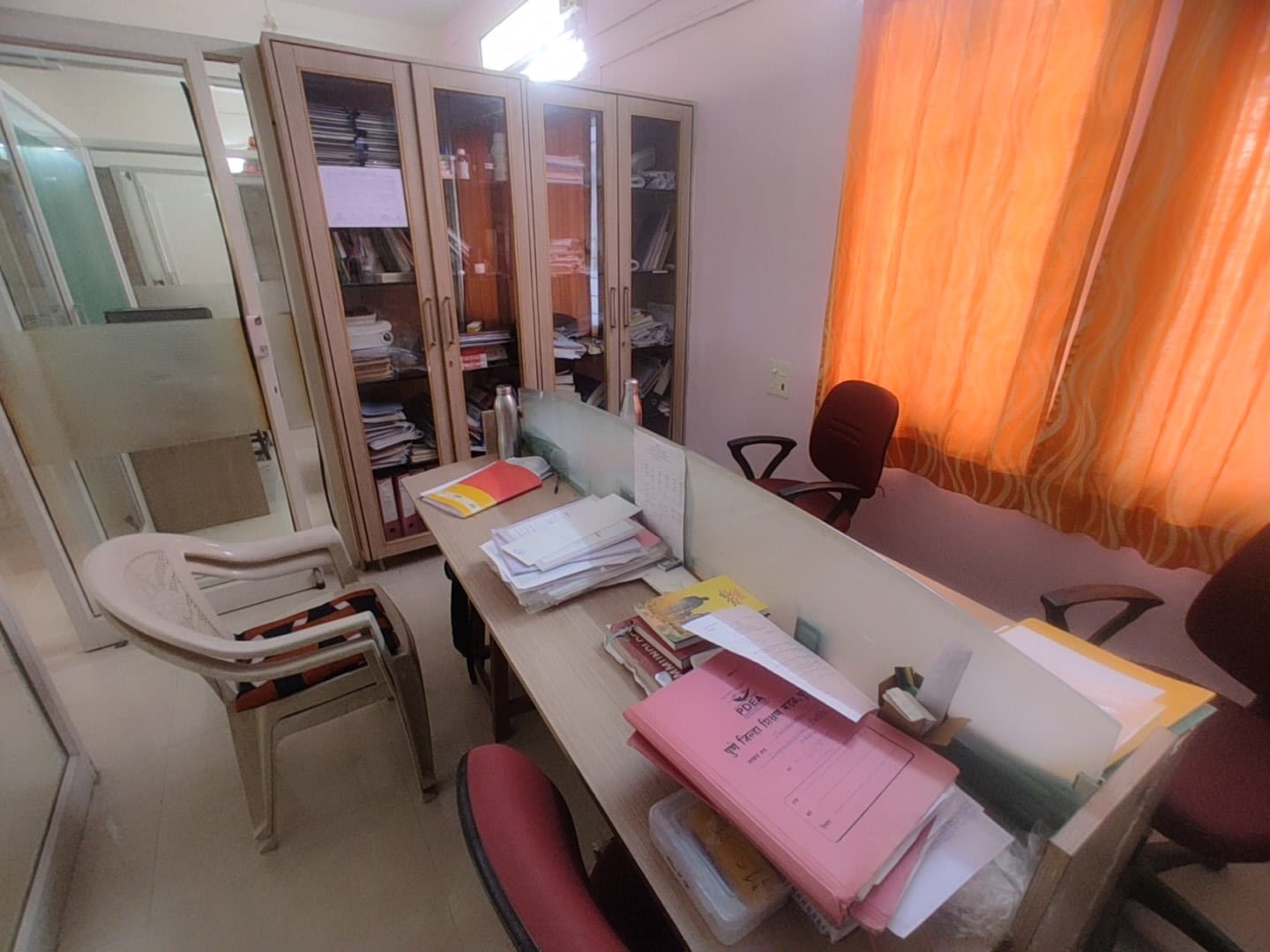
'PG Staff room '
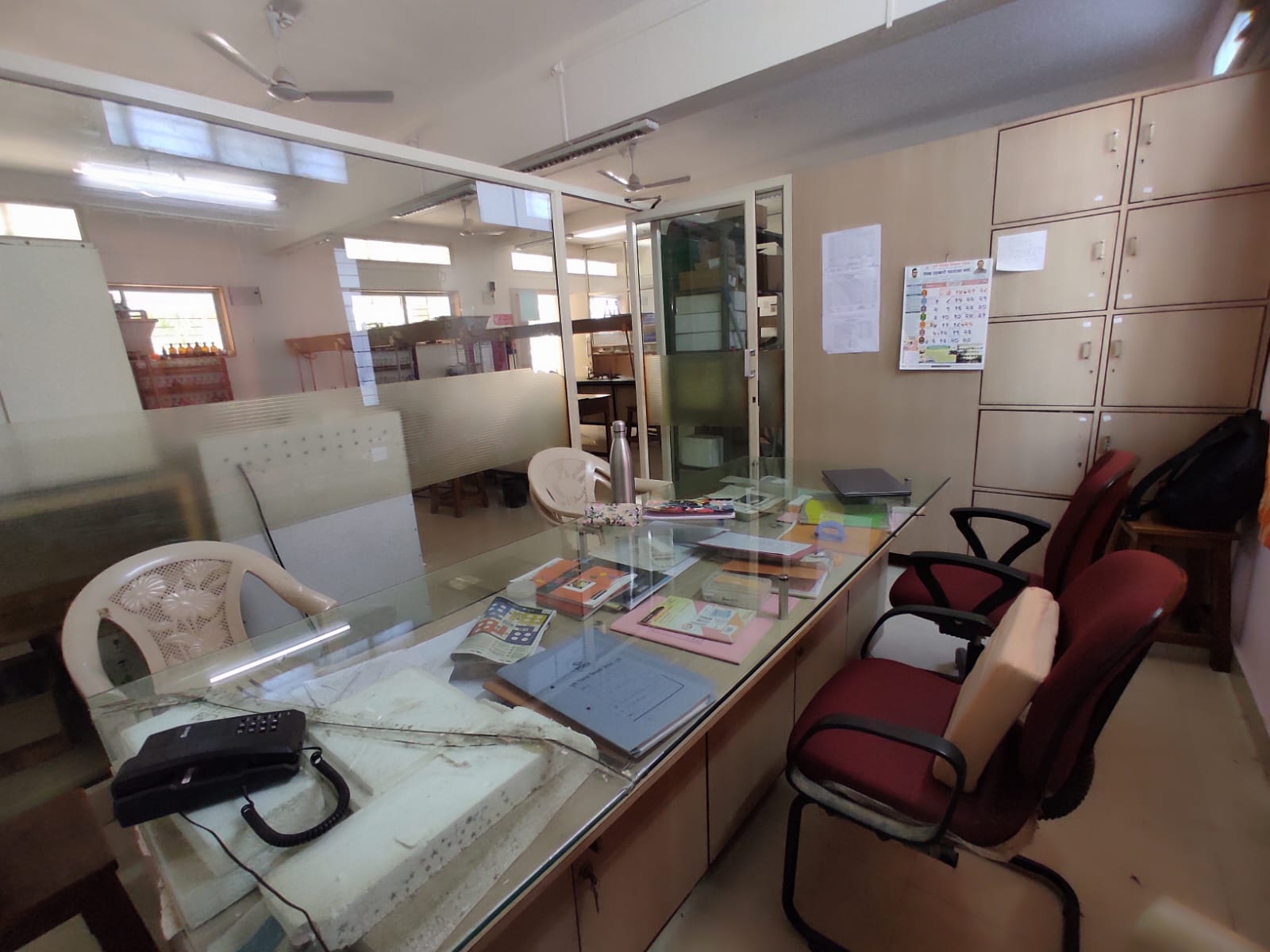
'UG Staff room '
.jpg)
'lab no. 1 (PG)'
.jpg)
'lab no. 2 (UG)'
.jpg)
'lab no. 3 (UG)'
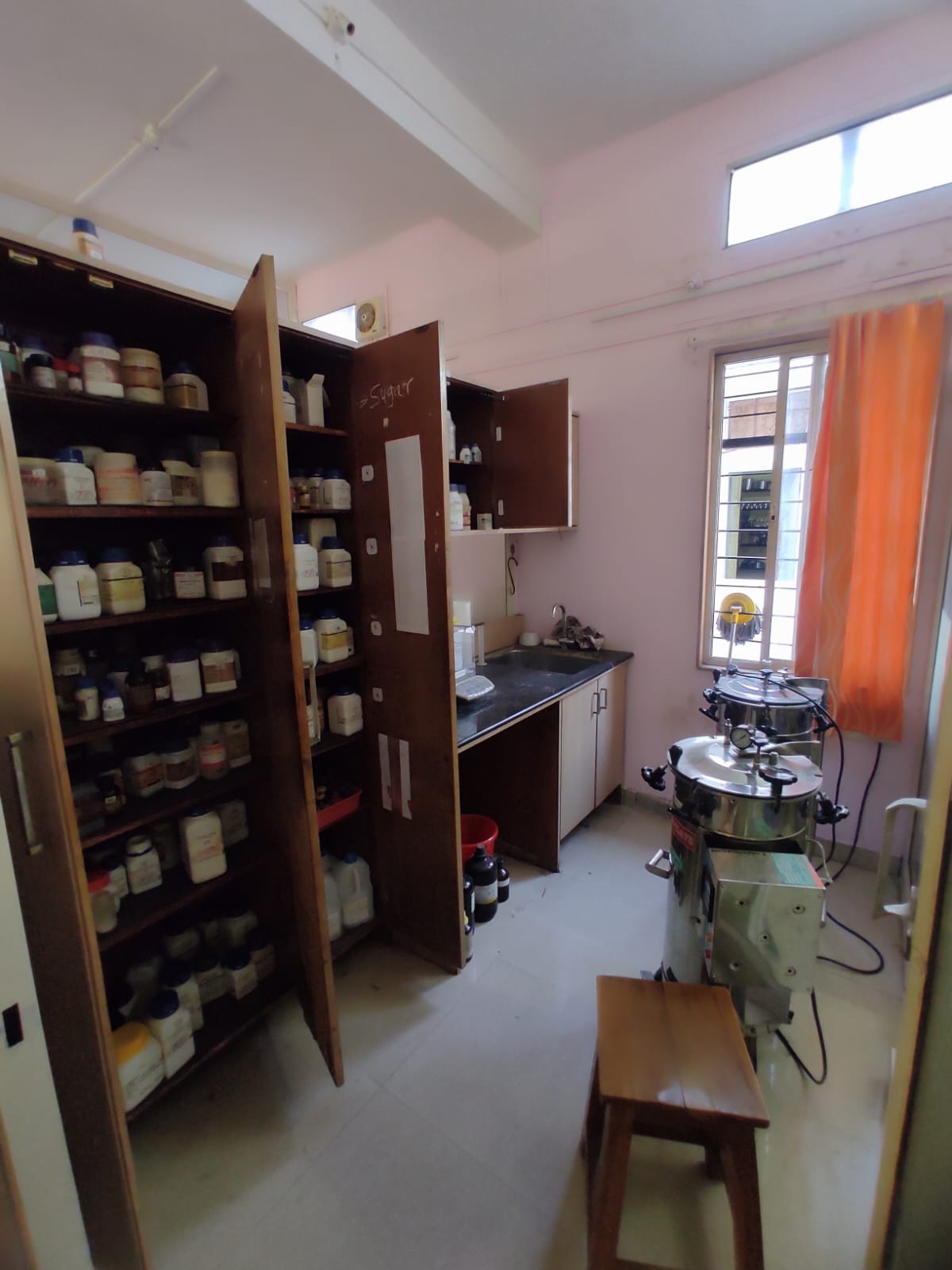
'media prep. room '
Department of Microbiology
About the Department of Microbiology
Introduction
The field of Microbiology is central to understanding life, health, and the environment. Louis Pasteur wisely stated, "A bit of science distances one from God, but much science nears one to him. .... The more I study nature, the more I stand amazed at the work of creator." The Department of Microbiology is committed to building skilled human resources dedicated to the well-being of humanity. Our vision is to be a recognized centre of excellence in microbial sciences, instilling a strong sense of scientific responsibility, personal hygiene, and safety in all our graduates.
The Department of Microbiology was established in 1990 at the undergraduate level with the foundational goal of fostering scientific inquiry and temper, particularly among students from rural and hilly regions. Since its inception, the department has focused on the holistic development of students, equipping them with the essential basic and applied skills of microbiology.
In 2007, we proudly launched the Postgraduate Program (M.Sc. Microbiology) to fill a critical regional gap and provide local students with advanced academic opportunities. We are dedicated to preparing our rural students to meet global challenges by instilling core competencies, promoting participative learning, and ensuring they are fully aware of cross-cutting issues related to their theory and practical courses.
Our focus is clear: to enrich the competence of every student, enabling them to achieve their desirable and progressive career goals.
💡 Vision
To develop highly skilled and ethically responsible human resources in the field of Microbiology for the well-being of humanity, while instilling a strong sense of scientific responsibility, personal hygiene, and safety among our graduates.
🎯 Mission
- Knowledge Enrichment and Training: To provide rigorous education and practical training in the core and pure microbial sciences.
- Application and Research: To introduce and mentor students in the concepts of applied microbiology, innovation, and research methodologies.
- Scientific and Social Responsibility: To cultivate a strong sense of scientific ethics, social responsibility, and environmental awareness concerning microbial impact.
- Career Development: To empower students to build a progressive, successful, and impactful career in diverse fields of life sciences, healthcare, and industry.
Academic Programs Offered
The department offers comprehensive programs designed under the Choice Based Credit System (CBCS) NEP 2020 pattern.
| |||||||||||
Pedagogical Approach (Teaching Methods)
We employ a diverse and effective range of teaching and learning methods to ensure deep understanding and practical competency:
- Effective Curriculum Delivery: Structured and well-paced lectures utilizing modern aids for clarity.
- Interactive Lecture Method: Encouraging student participation, critical thinking, and classroom discussions.
- Experiential Learning: Hands-on training through well-equipped practical courses, ensuring students master essential laboratory techniques and instrumentation.
- Remedial and Advanced Support: Providing Remedial Teaching for slow learners to ensure foundational clarity, and advanced resources/projects for high achievers.
- Collaborative Learning & Exposure: Facilitating mandatory student visits to various industries, research centres, and specialized facilities (e.g., Blood Banks). This aims to provide real-world knowledge of instrumentation, working protocols, quality control, and industry standards.